Caring for your waterfront starts at the edge
Slope stabilization, native planting guides, and erosion control techniques for private pond and lake shorelines in Canadian climates.
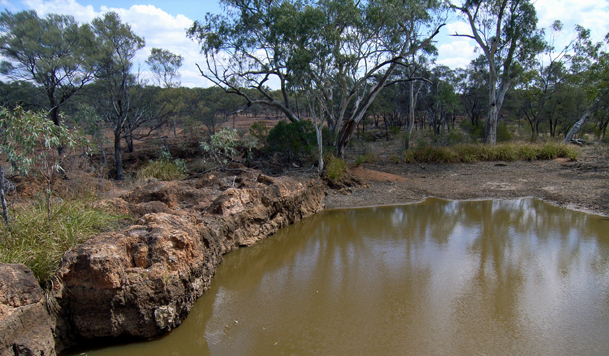
Shoreline management from the ground up
The articles below address the most common challenges faced by private waterfront owners across Ontario, Quebec, British Columbia, and the Prairie provinces.

An overview of hard and soft engineering techniques — from riprap and gabion baskets to live staking and coir logs — suited to small private waterfronts.

A selection of native emergent, marginal, and riparian species that anchor soil, filter runoff, and support local wildlife along small private water bodies.

How wave action, ice push, and seasonal runoff gradually erode private shorelines — and practical steps to slow or reverse that process without heavy machinery.
Erosion is gradual until it isn't
Many private waterfront owners notice shoreline loss only after several seasons — when a path disappears, a garden bed slips toward the water, or exposed roots signal that the bank is retreating. By that point, stabilization is more complex and costly.
In Canadian conditions, freeze-thaw cycles amplify the damage. Water seeps into bank soil, freezes, expands, and loosens particles that spring runoff carries away. Repeated over years, this process reshapes shorelines measurably.
The goal of this resource is to describe documented approaches — both structural and biological — so property owners can make informed decisions, often before professional intervention becomes necessary.

Phragmites australis is prevalent across southern Canada and can destabilize native plant communities. Identifying it early is part of effective shoreline management.
Sources and further reading
The following publicly available resources from Canadian federal and provincial authorities are useful starting points for property owners.
Guidance on work near water bodies and fish habitat protection obligations for private landowners undertaking shoreline work.
dfo-mpo.gc.ca →Ontario's guide to naturalizing private shorelines using native plants, with species lists and regulatory context for property owners.
ontario.ca →Information on wetland conservation, riparian areas, and climate-related changes affecting Canadian water bodies and their edges.
canada.ca →Send a question or comment
Use the form below to reach out. All fields are required.